So. You’ve hit send on that first batch of queries. What now?
Well, hopefully, some full and partial manuscript requests. That’s the goal at the end of it all. But, unfortunately, you’re going to get some rejections. It’s part of the game! Personally, across both manuscripts I queried, I received a total of 160 query rejections. And even more than that when you count full/partial manuscript rejections.
Drinking game: Take a shot every time I use the word ‘rejection’ in this blog post. Just kidding, you’d die. Please drink responsibly so I can’t be held liable.
If you’re determined to continue down the route to traditional publishing, rejection is just one of those things you’re going to have to get used to. In my experience, it gets easier, but never easy. I queried for 11 months. I received multiple rejections every week. It sucks. Before I entered the trenches, I really didn’t know what to expect in terms of responses. My aim here is to prepare future query-ers for what to expect when you’re expecting rejections.
So, today I will be discussing the different types of rejections you’ll receive while querying, how to discern which type of rejection you’re getting, and how to deal with the not-so-nice rejections. Because not all agents are nice. That is something you’ll learn the hard way.
In this post I will be including a handful of screenshots from my own collection of query rejections as examples (with agent names cropped out of course) for what to expect in your query responses! Without further ado, let’s get into it.
FORM REJECTIONS
A ‘form rejection’ is a template used by agents sent to most/all authors whose queries they are rejecting. It is often a standard, basic rejection with no specific reference to the information provided in the query package (although it might seem like it). Not all agents will send form rejections, but about 85% do in my experience.
Form rejections tricked me once or twice, I won’t lie! They’re often a bit sneaky, worded in a way that makes you think the agent wrote them to you personally. In my humble opinion, I think this can be problematic, as it can lead an author to revise their opening pages based on what they believe is an agent’s personalized advice.
Here’s a few examples of form rejections I received that contain ambiguous wording that could potentially be misconstrued as personalized:
Notice the phrases, “The concept and voice of the sample pages didn’t connect with me as much as I’d hoped” and “This has a really fun premise and I found your writing talented, however, the story didn’t grab me by the heart in all the ways I had hoped.“
They sound personal, right? But, notice the lack of detail. No character names, no specific scene, no mention of tropes or what they actually enjoyed about the premise. If you read something like that in a query rejection, chances are it is a form template. If you can’t quite seem to figure it out, the comments on an agent’s QueryTracker page can be very helpful! Often times authors will share the rejections they received word for word so that others can discern whether or not the rejection is a form rejection, or personalization!
Now, here is an example of a form rejection that is straight to the point, and completely unambiguous:
This was the type of query rejection I preferred the most out of all of them. In my opinion, many personalized rejections on a query alone can be more harmful than helpful. Let’s touch on that.
PERSONALIZED REJECTIONS
It is of my belief that a lot of personalized rejections from agents are unnecessary and unhelpful. Because, really, how much can an agent truly judge the strength of a manuscript when they’ve only read five pages and a synopsis? Most personalized feedback I received from agents aligned identically to advice provided from beta readers, so I didn’t exactly need that personalized feedback at all. And I suspect that might be the case for other authors as well.
I know most authors are dying to get personalized rejections, and hate form rejections with a passion, but personalizations are just entirely unnecessary and a waste of everyone’s time. The only time a rejection should be personalized is if they include the following:
suggestions for the format of the query letter itself
if they’re informing an author of the word count standards of the genre (i.e. if someone queried a 150k Adult Romance, when the standard is 80-100k)
if they’re listing things they enjoyed about the query without providing suggestions of what to change
This is completely subjective, and a lot of people are going to disagree. That’s okay! Some authors find personalized agent feedback a vital tool. But I hate the idea of someone revising their manuscript based on a single agent’s response. What might be trash to one agent, could be treasure to another.
Here are some examples of personalized rejections I received. Let’s start with the good:
You can tell this is personalized because they mentioned the length of the manuscript specifically (the manuscript I queried was 98k words which, admittedly, is quite long for an Adult Romance). But this personalization is short, succinct, and kind without making suggestions for changes that might hurt the manuscript.
Now, let’s take a look at the bad:
While the middle and end of that rejection contain good suggestions, I want to focus a bit on the beginning.
“I’m trying to only take on projects that I feel are completely ready to go on submission.“
An agent is meant to help you through multiple stages of revision (if they feel your manuscript needs it) before sending it on submission to editors. That is, quite literally, their job. So, for an agent to actively inform you that they currently don’t want to help you or anyone else make your manuscript the best it can be…that’s a red flag, baby!
Here’s another:
This is a snippet of a rejection that was so long that it took 8 screenshots just to send all of it to my friends to show them how ridiculous it was. I touch on this rejection in my The Do’s And Don’ts Of A Query Letter blog post, but I wanted to mention it here as a personalized rejection that had the potential to harm my manuscript rather than help it.
The aspect of THE SEVEN HUSBANDS OF EVELYN HUGO that I comped to in my query letter was the all-encompassing sapphic romance between world-famous celebrities, and this was the only time I received a rejection critiquing the use of it. Further, it was suggested that I comp a bodyguard romance instead, but…I did. TWISTED GAMES, the second book in the Twisted series by Ana Huang (an Adult Contemporary Romance between a princess and her bodyguard) was my other comp title.
“If I were to [just] look at your comps, I would see rom-com but not bodyguard romance.”
Neither of my comp titles were rom-coms……..???????????
Suffice to say, don’t take everything in a personalized rejection to heart.
FULL/PARTIAL REJECTIONS
These are the rejections that are going to hurt the most, I’m warning you now. When I received my first full manuscript rejection about 6 weeks after I started querying, I cried in bed for an hour straight. Of course, as you receive more full/partial rejections, it’ll hurt less because you’ll expect it and your hopes will have withered just a bit (grim, I know). But I wanted to give you an idea of what a full manuscript rejection will look like so that you’re completely prepared!
Unfortunately, a lot of your full manuscript rejections are still going to be form rejections. This is when I think a rejection should be personalized, even just a little, because once an agent requests more pages, it’s no longer a cold query in a slush pile. Receiving nothing but a “Sorry, this just isn’t a fit for my list,” on a full manuscript, makes it feel like they didn’t read it at all, which is just a totally shitty feeling.
Here are a few examples of full/partial manuscript rejections I received. Some are personalized, and some are form rejections similar to what you’d see on at the query rejection stage.
This rejection makes it clear that that agent read at least most of my manuscript, if not all of it. Even if they were rejecting it, it felt good to know they’d at least read it and really considered it rather than just tossing it out while attempting to clear their inbox.
This rejection, however…
Almost indiscernible from a query rejection. But no, this is in fact a full manuscript rejection I received about a month and a half after the agent originally requested to see it.
So, this is what you have to look forward to. I’d estimate that maybe 50-60% of my full/partial rejections were form rejections, and that the rest were slightly personalized.
PITCH EVENT REJECTIONS
This type of rejections…..also suck.
What? I’m not going to lie to you!
When you participate in a pitch event on Twitter and in real life (learn more about pitch events here) an agent can request to see the manuscript if they’re interested. In my experience, all of my pitch event interest was garnered through likes on Twitter during #LGBTNPit, #MoodPitch, #SmoochPit, #DVPit, and #IWSGPit. I actually met my agent through both #MoodPit and #DVPit, so please don’t be frightened by what I’m about to tell you. Pitch events are truly an invaluable resource and networking opportunity for querying writers, and I’m unbelievably grateful for the privilege to participate.
But, unfortunately, not all responses you’ll receive from pitch event likes will be positive. I’d estimate about 2/3 of my pitch event likes ended in some form of rejection. Because when an agent likes an idea, that doesn’t always necessarily mean they’ll connect with your writing. I’d say that a query sent after a pitch event request holds more hope than a regular cold query, and that’s why this rejection stings more than others.
Here is a rejection I received from an agent after they liked my Tweet during #LGBTNPit:
Sad face.
Don’t consider this a bad thing, though! An agent requesting to see pages because they’re intrigued by your idea is great! That means you’re on the right track. Keep cold querying and participating in pitch events!!
REVISE & RESUBMIT
ALL HOPE IS NOT LOST! If you receive even one revise and resubmit rejection, you’re doing something right!
A ‘revise and resubmit’ (or R&R) is when an agent rejects a query or a full manuscript in its current state, but provides details as to what they believe should be changed, then informs you that they’d be willing to reconsider after those revisions are made if you choose to do so!
I received one notable revise and resubmit rejection (sometimes agents are only vague, saying that they’d love to take another look after a big revision without stating what they’d like you to do). Here is what my R&R rejection looked like:
You can choose to move forward with an R&R however you wish. For me, this word count just wasn’t plausible with the story I was telling, and the agent mentioned some other changes to my opening pages that I didn’t agree with. So, I kept querying rather than pausing and working on an R&R.
Some agents might ask to hop on a call to discuss the R&R with you, which is a sign that they’re pretty serious about it. But be wary! Completing an R&R doesn’t always mean an agent will offer you representation. They might also reject your revised manuscript. Use your own judgment to decide whether or not the potential for representation is worth the amount of work you’ll be putting into the revision.
Let your brain make this decision, friends, not your heart.
MEAN REJECTIONS … YIKES!
These are the rarest type of rejection, and if you’re lucky, you’ll never get one.
I was not lucky.
Before I show you my two worst query rejections, I want you to remember that what a single agent says about your manuscript does not and will never matter in the grand scheme of things. It feels larger than it really is, but you have to remember that if they’re sending a rude ass rejection, they don’t really give a shit, and will forget about it in five minutes. So, that’s also what you need to do, too. That is, of course, after you send it to all your friends and groupchats and scream about how insane it is.
Now, here’s what you came for. I’ve mentioned this rejection a million times before, but here it is in all its glory, baby.
I tweeted about this rejection, and the agent actually ended up DMing me to apologize (not really an apology, more of an ‘I’m sorry you felt that way’ type of statement) but I didn’t give a fuck. I told her she shouldn’t have said that because agents might forget a rejection like this an hour after they send it, but its something an author will remember forever. She didn’t respond, but it’s the thought that counts.
Here is another rejection I received, this one only a month before I got my first offer of representation:
This was so crazy to read. THIS WAS A REPLY TO 10 PAGES AND A SYNOPSIS!!! NOT EVEN THE FULL MANUSCRIPT!!! This was also a part of the aforementioned 8-screenshot rejection with horrible advice, and as you can tell, it got even sillier. For context, this agent was sarcastically suggesting I replace the love interest’s sister who is in imminent danger with a cat or a dog instead…what the hell.
Now, I can look back on these rejections and laugh. But when I hadn’t yet secured representation, it just felt like an extra punch to the face that convinced me I may never find representation. The point of my showing you these rejections is so that you’ll know exactly what to expect, and know that you don’t deserve it.
Agents are meant to be professionals, and most of them are! But, if you happen to catch them on a bad day, it could result in rejections like these. It might feel world-ending at the time, but chances are, these crushing opinions are exclusive to just that agent. Getting rude feedback doesn’t mean that another agent won’t love your manuscript. Take it from me! The manuscript that incited both of these rejections is the one that got me my wonderful agent!
NO…REJECTION…?
One of the worst types of rejection is no rejection. By this, I mean when an agent ghosts your query (or even your full/partial manuscript) and never replies.
In an industry defined by the will-they-won’t-they of it all, it’s so frustrating to never receive an answer, even if it’s a rejection. Because, really, all anyone is looking for is one thing.
Sometimes an agency’s website will mention that they can’t respond to each individual query, and that no response after an allotted amount of time is a no, which is completely fine. You are free to confidently close out your query after that specific amount of time, and sleep well that night knowing that you’ve gotten closure.
This isn’t always the case. For example, an agent favorited my pitch Tweet in #LGBTNPit on Twitter in 2022. I sent her my query and she requested 5 chapters that same day. But, when I went to nudge her after receiving an offer, she never answered. After three weeks and three nudges, I was forced to close the query out without an answer, which really fucking sucked.
I’m here to warn you that a large portion of your queries are going to be ghosted. Or ‘ghosted’ in the sense that you think they’re never going to answer so you close out the query on your spreadsheets, then open your inbox a year and a half later on a random Tuesday to a form rejection from that weird agent you forgot you queried forever go.
In fact, I actually got one of those last week.
CONCLUSION
In hindsight, wading through all of my rejections at once to find suitable examples might not have been my best idea. I think I need to go lay down now like a Regency Miss who just had a particularly exhausting time at tea with the overcritical Dowager Duchess.
Sorry, I’ve been reading too much historical romance as of late.
I hope that this blog post helped future querying authors brace themselves for what to expect when they dive into the trenches. I also hope that everyone had a hearty laugh at my failures. It’s a silly business, querying.
If you enjoyed this post, please consider following me on Twitter, Instagram, and TikTok!! Also, if you’re feeling up to it, please enter your email below to subscribe to updates for when I publish a new blog post! I’m about to go on sub with my bodyguard romance, A LESSON IN FALLING, and I’ll make sure to provide updates regarding that journey here!
Ah, query letters. Terrifying and nightmare-inducing for absolutely no reason at all. When I first sat down to write mine, brain.exe failed to work. What the hell was I meant to say? What were agents looking for? Which comp titles should I have used? Wait, how many comp titles should I have used? How long should this be? Would a typo result in an instant rejection?
The process is daunting, and is definitely the hardest part of the query package to perfect. I think writing my 98k word manuscript was simpler than writing my first query letter. I’m here to make it a little bit easier for you so that you might not suffer as much as I.
This will be a combination of things I found worked or didn’t work for me, as well as current industry standards and agent advice I’ve seen on Twitter or agency websites. If you’re reading this blog even six months after I post it, some of the content might be outdated. Publishing industry trends move quickly!
I received a combined total of 39 full/partial requests for my manuscripts based on my query letter/synopsis/sample pages, so I hope you’ll find my advice credible. Make sure to stick around for the end, as I’ll provide the two query letters I wrote during my querying journey!
THE BASICS
Before I dive into anything else, I want to explain what exactly a query letter is. When I was first told I would need to write a query letter to send to literary agents, no one really took the time to explain what that actually means. And I had no fucking clue. Searching the internet for examples of query letters wasn’t exactly helpful either, as the results I found were all so varied and intimidating, and mostly outdated. So, I’m going to break it down for you.
A query letter (also known as a pitch letter, or sometimes a cover letter) is a one-page introduction to your manuscript and yourself as an author.
Your query letter should be comprised of 6 features (not necessarily in this order, but it’s ideal):
a salutation to the agent
metadata (more on this below)
a summary of your manuscript (this should read like the description on the back of a book cover)
a small biography about yourself and your qualifications or history of writing (this should be about 2-4 sentences)
any relevant information regarding the manuscript including but not limited to: if this book is part of a series, or any editor interest your manuscript has received in pitch events or personal discussion
your sign-off (this should include your author name, your email address, your phone number, an author website link if you have one, and you can include your physical address if you’d like, but it isn’t necessary since you aren’t sending your query letter by snail mail)
This description might seem a little too detailed for some, but I know that when I was searching for what exactly to write and how to write it, I would have appreciated a comprehensive breakdown like this immensely.
Now, let’s get into the do’s and don’ts of writing a query letter.
DO’S
METADATA
The absolute most essential aspect of your query letter is the metadata. This is your title, genre, word count, and comp titles. You cannot send a query without a metadata paragraph! This will tell the agent everything they need to know on their first assessment of your query and whether or not they’d like to continue reading.
Typically, you’ll want to write your own title in all caps, as well as the titles of the books you comp to. Also make sure to capitalize your age range/genre. Below are my metadata paragraphs for A LESSON IN FALLING and SUGAR & SPICE.
I am excited to share A LESSON IN FALLING, an Adult F/F Contemporary Romance capping out at 98,000 words. I noticed in your MSWL that you’re looking for (MSWL SPECIFICS), and I am pleased to inform you that A LESSON IN FALLING is a steamy, character-driven bodyguard romance between a lesbian fashion designer and her bisexual bodyguard. This story combines the protective themes and deadly violence of TWISTED GAMES and the sexy sapphic tension of THE SEVEN HUSBANDS OF EVELYN HUGO.
I am excited to share SUGAR & SPICE, an Adult F/F Contemporary Romance complete at 97k words. SUGAR & SPICE showcases a high-heat, laugh-out-loud, rivals-to-lovers romance between opposing candy shop owners that have unknowingly cultivated a text message friendship with each other. This story combines the witty, anonymous online friendship as found in YOU’VE GOT MAIL, the intense, queer romantic obsession of SATISFACTION GUARANTEED, and the humorous workplace shenanigans familiar to THE HATING GAME. Acquiring editor, [EDITOR NAME] of [IMPRINT] has expressed interest in this manuscript via Twitter pitch events.
COMP TITLES
Stay calm. Do not freak out about your comp titles. This is the part of the query letter you should have the most fun with!
First, what is a comp title? Well, a ‘comp title’ is a comparison made in your pitch to another published title. For instance, if you were writing a dark academia book with two rivals in a secret society competing for notoriety with themes of death and greed and moral unsoundness, you could say this:
DARK ACADEMIA BOOK blends the bloody and violent secret Ivy League societies of NINTH HOUSE with the competitive, unlikable, morally grey characters found in YELLOWFACE. DARK ACADEMIA BOOK features a star-crossed rivalry similar to THE NIGHT CIRCUS.
See? This is fun!
Generally, you’re going to want to include comp titles of books that have been published within the last 5 years. This tells agents that you’re well-read in your own genre! Sure, you can mention an older book if the certain aspects you’re comparing are similar, but make sure to include 1-2 modern titles! You can also comp a movie, television show, podcast or well-known media from pop culture if it’s relevant, but my advice is to make sure to list 2 books alongside it. Again, this shows that you are familiar with your genre and that you’ve done your research!
TIP: Try to keep your comp titles within your genre and age range! I really wanted to comp I KISSED SHARA WHEELER for the queer obsession aspect of my novel, but again, you want to showcase that you are deeply familiar with the type of book you’re writing. So, if you’re writing a Young Adult Fantasy book, try and stick to Young Adult Fantasy comp titles. This doesn’t always have to apply if you’re writing a retelling/reimagination, though. If you’re writing a Young Adult Romance reimagination of 27 Dresses, or a Young Adult Sci-Fi retelling of Macbeth, that’s totally fine! Again, just make sure to add other comp titles that are in your genre and age range!
If you’re a marginalized author writing a story about marginalized characters, some leniency should be afforded to you regarding your comp titles on the basis that there just aren’t as many mainstream titles written by and about certain marginalizations as there are from white/cis/straight/able-bodied authors.
I once received a rejection that told me I shouldn’t have used The Seven Husbands of Evelyn Hugo as a comp title since my book wasn’t historical fiction, but as someone pitching an F/F book, it was hard to find fitting, compelling, and relevant comp titles that fell within my genre. A LESSON IN FALLING is a contemporary romance with dark themes and splashes of humor, it is not a rom-com, so I didn’t want to comp to any rom-coms because that didn’t make any sense. I thought that since TSHOEH is a popular title that showcased a sapphic romance between two world famous characters, and included heavier themes, that it made sense to comp it. And I still stand by that!
But, I took this comment with a grain of salt since the same agent also told me I should have comped a bodyguard romance instead, which I did…right next to Evelyn Hugo. My other comp title was Twisted Games by Ana Huang. Famously a bodyguard romance.
Gotta love querying ❤
SUMMARY
This is arguably the most challenging part of the query letter. If there’s anything writers hate more than writing their books, it’s writing their summaries. The most important thing to know when writing your summary is to know the distinction between a summary and a synopsis.
A synopsis (often required alongside a query letter and sample pages when you send a query to an agent) is a play by play of your book that includes every major event, conflict, and resolution with spoilers. This should be 1-2 pages based on what the agent/agency requests that you send with your query. The synopsis is not a part of your query letter, and is a separate document.
Your summary, however, is a part of your query letter. The summary should be 2-4 paragraphs that introduce the agent to the main character, the inciting incident, the conflict, what is preventing the character from solving the conflict, and THE STAKES. I have bolded this because the stakes are universally the toughest aspect of the summary to nail down. What exactly does your character stand to lose if they don’t solve the conflict? Their life? Their love? Their job? Their family? The world? Creating convincing stakes is tough, so take some time on this and really make sure you’ve got a looming threat that’ll leave agents on the edge of their seats and desperate to read more!
BIOGRAPHY
I know it’s tempting to write down your whole life story, but keep your biography simple! About 3-4 sentences is ideal. Make sure to include your age and your profession (if you have one), and maybe even a vague location (for instance, I mentioned that I am based in Texas). If you have any writing credentials or awards, this is your time to brag! Let them know that you’ve previously published poetry, flash fiction, or a short story. If you have a college degree, or you’re pursuing one, tell them about it!
Further, get a little personal! You can mention any hobbies you have aside from writing, your pets, or any sweet fun fact about yourself! This lets an agent know that you’re personable, and perhaps might be easy to speak to and work with!
SHORT & SWEET
Your query letter should be one page, single-spaced, and written in Times New Roman and 12 pt. font. The preferred word-count of a query letter is debatable, but 350 words is what you should aim for. The only times I would recommend exceeding the word count or one-page limitations, are if you have an extensive list of editor interest, if your query was requested during a pitch event and you are including the specific Tweet or relevant information, if you’ve been previously represented by an agent and parted ways, or if your manuscript has 2+ significant POVs.
Even in these circumstances, I would recommend doing your best to keep it as short as possible. Following this structure worked wonders for me:
1 paragraph for metadata,
3 paragraphs for your summary,
1 paragraph for your biography.
BETA READERS
I would absolutely recommend finding beta readers willing to look over your query letter before you send it out to agents. Finding community is essential when you’re an author. I’m lucky to have had three agented friends that were gracious enough to read over my first query letter, and their help was invaluable. I’m so serious. It was a hot mess before they left me notes and aided in a complete overhaul of my query letter that changed my understanding of what a query letter actually was. I’m positive that the first draft of my query letter would have garnered zero agent interest.
If you’re reading this, and you’d like someone to look over your query letter, please shoot me a DM on Twitter or Instagram! I’d be more than willing to help you out! It’s actually quite fun to edit someone else’s query letter as opposed to writing my own.
KNOW YOUR GENRE
IMPORTANT!!! Please research the standards for your genre (and ideally be well read in your genre) before querying! Knowing the word-count parameters and typical themes found within your genre is non-negotiable. For instance, the standard word count for my genre, Adult Contemporary Romance, is 80-100k words, leaning more towards 80k at this point in time. Contemporary romance (specifically rom-coms) are also preferred to have a happy ending. Agents unfortunately might feel that your manuscript is not query ready if it deviates too severely from the standards (in a way that is not marketable).
It can be quite confusing if you’re someone who’s pushing the boundaries of your genre to really know what genre your manuscript should be classified as. Does a tragic ending make your manuscript Literary or Upmarket? Or is it Women’s Fiction? Does your world building lean towards Fantasy, Paranormal, or Speculative? If you can’t figure it out, write a summary (exactly the description that would be on the back cover of your book once it’s published), and send it out to friends and critique partners for judgment!
Many agents won’t consider a manuscript that doesn’t conform to standards of the genre! I was rejected by multiple agents for having manuscripts that were too long (98k and 97k), even though the number fell within my genre’s standards. It just toed the line too much for some agent’s preferences.
My best advice to you is to confirm what genre you’re writing in before you begin the drafting process, and to try your best to adhere to the standards. While you might be able to get away with ~5k words above or below the standards, it’s safest to revise your manuscript until the word count is acceptable. Your 200k Adult Science Fiction novel will not be the exception to the rule. Don’t go into this thinking it will be, because it’s not, which sucks ass, but is the sad truth.
Also, make sure that the agent you are querying is accepting your genre. If they aren’t, it’s most likely going to be a waste of your time. Especially if the agent has specifically mentioned on Twitter, their ManuscriptWishlist page, or their agency website that they don’t accept your genre. I once queried a Science Fiction/Fantasy agent under the LGBTQ category thinking that the worst thing they could say was no.
The ensuing rejection included a paragraph as to why the agent thought the main character in my Contemporary Romance book was a bitch (their words, not mine), and that they needed to see the possibility of redemption in characters to want to read further materials (this judgment based on the first 10 pages where the main character is a tough CEO and is just a little self-obsessed). So…obviously completely irredeemable. Straight to the pits of hell and eternal damnation. Totally.
Don’t be like me. Stick to agents that specifically represent your genre. I never received a rejection like this from Contemporary Romance agents.
DON’TS
DO NOT RAMBLE
If you’re an overwriter or an oversharer like I am, this is gonna be tough. Sometimes it’s hard for us to know when to put the keyboard down and get the fuck out of there. But, agents aren’t going to read a two-page query letter. Anything above 550 words just isn’t going to work, and even that is really pushing it. I’ve seen agents mention on Twitter that their QueryManager forms auto-reject authors whose query letters and synopses exceed a certain word count, and I would hate for any of you to lose out on a potential partnership just because you’re eager for an agent to know every single detail about you and your book.
Trust me, I understand the feeling, but there’s plenty of time to overshare once you’ve secured representation! I send my agent the art I commission for my books, and I ramble in every single email. Your opportunity to be the most annoying will come soon, I promise. For now, though, limit it to 350 words.
DO NOT TRY TO BE HUMBLE
Starting out your query letter with phrases like, “I know this book isn’t very good…” or, “You’re probably not interested in this book, but…” is probably the easiest way to a rejection I can think of. Remember that querying is pitching; you are like a Girl Scout begging people to buy a box of thin mints, except instead of thin mints, you are selling yourself and your work. Being confident is key. Imagine if a Girl Scout asked you to buy her thin mints, but prefaced the question with, “I know these cookies taste like dogshit, but…”
You would not buy those thin mints.
Instead, mention why you think this agent would be a good fit for you. Say that you’re excited to share your manuscript with them! Your tone can be easily conveyed through your query letter, and joy/confidence is contagious! How is an agent meant to be excited about reading your book if you are clearly not excited about sharing it?
DO NOT BE OVERCONFIDENT
I know, confusing. I’m not sure who needs to hear this, but don’t call yourself the next Stephen King or Brandon Sanderson. Do not herald your manuscript as the next Game of Thrones or Lord Of The Rings. While you want to come across as assured in your work, this can seem egotistical, or vain. Even naming works from either of these authors and other authors of the same stature and experience as comp titles might be a bad idea. I took a risk in using The Seven Husbands of Evelyn Hugo as a comp title since it’s such a popular book, but it paid off for me. Use your own judgment to decide which notable books you might be hoping to comp to, and if there’s an alternative title that might work better. If not, then I say go for it. If you want to comp Dune, then who am I to stop you?
Likewise, there’s no need to mention that your friends or family or beta readers found your manuscript good or compelling. When you send a query to an agent, it’s automatically understood that you’ve had beta readers or critique partners help you in the revision stages of writing your manuscript. Just like you’re supposed to show rather than tell when writing, you need to show agents that your book is good instead of telling them that it is. So, don’t waste your word count on this!
Also, don’t tell an agent that they’ll regret not taking a chance on your manuscript. I can promise you that not a single agent will appreciate that assumption, and it’s just embarrassing. Like, I cringed a little even writing that out for this blog post.
DO NOT BE AN ASSHAT?????
Listen, I’ve seen a lot of shit in my time on this planet, but authors being dickheads to agents in their query is some of the most insane behavior I’ve ever witnessed. This is a sure fire way to a rejection, and probably being blacklisted and spoken about in agent whisper networks.
Recently, I noticed many agents tweet about a specific query where the author shat on agents as a whole and insulted their character, but he…still sent the query anyways? It was basically along the lines of, “Agents are scammers and wouldn’t know a good book if it punched them in the face, but I’m throwing my manuscript into the querying abyss anyways. Read it, or don’t. I don’t care.”
Buddy, I think you do care! Quite a lot, it seems!
Querying is frustrating and soul-crushing and just all around the worst, but that doesn’t give you the right to disrespect every agent you query by insulting them in your query letter. For the most part, agents adhere to professional communication, and they expect you to do the same in return. You’re killing any chance you have at entering into a business relationship with an agent by sabotaging yourself before you even start.
MAYBE’S
PERSONALIZATION
Personalization is when you tailor your query letter for every agent you query by mentioning why you think that your manuscript would be a good match. For instance, if an agent mentions on their agency website or in their manuscript wishlist that they’re looking for Young Adult Fantasy with found family and morally gray characters, and your manuscript fits that description, then you can add a sentence or two to your metadata paragraph detailing that that is why you decided to query them specifically.
This is completely optional, and just depends on your preference. I personalized every query letter I sent for A LESSON IN FALLING, and I didn’t personalize any for SUGAR & SPICE (unless I was letting the agent know that they liked my pitch Tweet on Twitter). The only difference that I noted was that they sometimes mentioned the personalization in their requests or rejections. Something along the lines of, “I love chaotic sapphic love stories with powerful female leads, and found your pages intriguing,” or, “While I love chaotic sapphic love stories with powerful female leads, I don’t think I’m a good fit for this manuscript.”
I will say, personalizing every single query is very time consuming. It often took me an extra hour or two to query a new batch of agents, just because I was personalizing every query and making sure each one was just right. Take that into consideration when deciding whether or not you’d like to do this.
HONORIFICS
Honorifics (Mr/Ms/Mrs/Mx/Dr/Sir/Madam/etc.) used to be a necessary part of your salutation. The inclusion of it was viewed as respectful and professional (and still is by some agents), but recently it’s being used less and less. And some agents ask you specifically not to address them using an honorific. Of course, if an agent asks not to be addressed in a certain way, you need to respect their boundaries. Otherwise, whether or not you use honorifics is completely up to you.
But, if you decide you do want to use honorifics, you need to make sure you know an agent’s pronouns and which honorifics they find acceptable. You can figure this out by visiting an agent’s QueryTracker page; at the top, where their name is, their preferred honorifics should be there. If they don’t use honorifics, then there won’t be any on their QueryTracker page!
The salutation I used in the query letter to my agent: Dear Ms. Samantha Fabien,
METADATALOCATION
Where you place your metadata in your query letter is debated on, but from what I’ve seen from agent advice is that most prefer your metadata to be at the beginning of your query letter right after your salutation.
Some authors like to add their metadata to the very end of their query letter, just before their sign-off. The only time I’d recommend you to do this is if you have an extremely catchy hook at the beginning of your manuscript’s summary. But, even then, most agents want to know exactly what they’re getting into right when they open your query letter. Having your metadata at the beginning lets them immediately decide if they are a fit for your manuscript.
That being said, it’s up to you! It’s definitely not a deal breaker!
MY QUERY LETTERS
I wrote two query letters during my 11-month querying journey. Here I will provide you the most recent versions of my query letters, as I did revise both of them multiple times after beginning querying. I got two offers of representation; one for my first manuscript, A LESSON IN FALLING, and one for my second, SUGAR & SPICE. While my agent only read the query letter for A LESSON IN FALLING, a second agent offered specifically on SUGAR & SPICE.
Both of these query letters had 3 or more beta readers to help revise. Keep in mind that these query letters were written almost a year apart, so they’re quite different from each other in terms of formatting based on what I learned between querying my first manuscript and my second.
Dear (AGENT),
I am excited to share A LESSON IN FALLING, an adult F/F contemporary romance capping out at 98,000 words. I noticed in your MSWL that you’re looking for (MSWL SPECIFICS), and I am pleased to inform you that A LESSON IN FALLING is a steamy, character-driven bodyguard romance between a lesbian fashion designer and her bisexual bodyguard. This story combines the protective themes and deadly violence of TWISTED GAMES and the sexy sapphic tension of THE SEVEN HUSBANDS OF EVELYN HUGO. Holland Bellerose always gets what she wants. And what she wants is to run her business, party with her friends, while avoiding romance like it’s the next plague. When a mugging nearly costs her her life, the 28-year-old celebrity fashion designer is forced to hire a private security team. Holland strikes a deal with her mother: if she can prove that she is able to protect herself, she can fire the bodyguards. What she doesn’t expect is a complication in the form of Olive Shaw, the smug head of her security team and world-famous ex-boxer. After realizing the dangers of everyday life, Holland asks her head bodyguard to teach her how to fight, and they can’t help but form a connection, despite the conflict of interest. Shortly after meeting Olive, Holland is offered the career opportunity of a lifetime, and she knows she must do everything in her power to eliminate her bodyguards, and any further distractions from her lifelong goals, from the equation. When Holland can’t deny her irrevocable attraction to Olive Shaw, she finds that even the most calculated risks can lead to the deadliest falls. As a bisexual woman, my interest lies in writing escapist, dramatic, trope-filled F/F romances without sexual orientation-related trauma or homophobia. I graduated from the [COLLEGE] with a Bachelor’s in Psychology, and when not writing, I can often be found spoiling my cats, Kaz and Rosie! Acquiring editors, [EDITOR AT IMPRINT], and [EDITOR AT IMPRINT] have expressed interest in this manuscript via Twitter pitch events. Thank you so much for your time and consideration!
Kindest Regards, Hali Hyland (she/her)
[MY ADDRESS] [MY PHONE NUMBER] [MY EMAIL]
Dear (AGENT), I am excited to share SUGAR & SPICE, an Adult F/F Contemporary Romance complete at 97k words. SUGAR & SPICE showcases a high-heat, laugh-out-loud, rivals-to-lovers romance between opposing candy shop owners that have unknowingly cultivated a text message friendship with each other. This story combines the witty, anonymous online friendship as found in YOU’VE GOT MAIL, the intense, queer romantic obsession of SATISFACTION GUARANTEED, and the humorous workplace shenanigans familiar to THE HATING GAME. Acquiring editor, [EDITOR AT IMPRINT] has expressed interest in this manuscript via Twitter pitch events. Ophelia Cane hates Harley Taylor. Before Harley built her own vintage candy shop down the street, Ophelia had owned the bestselling homemade confectionery in Washington. But now, her nemesis is hellbent on sabotaging her store and her reputation. Her only reprieve comes in the form of Dora, the woman who she formed a close, confiding friendship with after a drunk text to the wrong number. Harley Taylor is obsessed with motorcycles, smooth whiskey, and her stunning, insufferable adversary, Ophelia Cane. Since the moment she first laid eyes on her, Ophelia has occupied her every waking thought with her stupid bubblegum-pink hair and her horrible princess smile. She finds solace only in her relationship with Ellie, her anonymous best friend and the only person that can make her laugh. After Harley helps take care of Ophelia during a bout of sickness, the two grow closer against all odds. But when Harley stumbles upon the truth of their 5G friendship, everything she’d thought she’d known about her relationships with Ophelia and Ellie is ripped out from beneath her. She has two options: hop on her motorcycle and abandon it all like a coward, or make Ophelia fall in love with the real her. And Harley Taylor is anything but a coward. SUGAR & SPICE has series potential in the same vein as THE BROWN SISTERS, with the second and third books showcasing the romantic relationships of Ophelia’s brother and sister respectively. As a bisexual woman, I love writing escapist, trope-filled queer romances without sexual orientation-related trauma or homophobia. I graduated from [COLLEGE] with a Bachelor’s in Psychology, and when not writing, I can often be found spoiling my cats! Thank you for your time and consideration!
I hope you find this information helpful. If you have any questions at all about this blog post or just writing query letters in general, don’t hesitate to reach out! You can find me here on Twitter and Instagram. If you’d like to see what shenanigans I got up to after writing my query letter, check out my How I Got My Agent blog post!
Don’t forget to give this post a heart, and follow me to be notified when I post again! My manuscript A LESSON IN FALLING should be going on submission to editors quite soon, so stay tuned for updates!
Happy Pride Month!
Subscribe to be notified when I post by entering your email here!
Hello! If you’re reading this, you’re presumably either looking for information on querying and all that it entails, or you’re my friend here to giggle at my pain and suffering. If you identify with the latter, watch your back. If you identify with the former, godspeed soldier.
Seriously. Querying is not a journey for the faint of heart, and not to play querying Olympics, but I feel as if mine was especially heinous, considering the unprovoked agent violence, a devastating small press offer, and 11 months of inbox-checking purgatory. Though, considering the state of the industry at present, I wouldn’t be shocked at all to hear of an even more nail-biting, spine-chilling querying journey. The trenches are indeed treacherous.
Of course, I wouldn’t take any of it back and I’m perfectly content with every decision I made during this process, as it led me to my wonderful agent who adores my writing and my characters and was the best match for me in every conceivable way.
I do want to emphasize that my story is not reflective of that of the majority of authors, and I would advise that you read more HIGMA posts aside from mine to curate an accurate picture of what you’re getting yourself into when you press send on that first query. I received an offer for the first manuscript I ever wrote and queried, and I was in the trenches for 11 months. I did not revise either of my manuscripts even once after I started querying, and I did not listen to any personalized rejections I received from agents. Of the dozens of other posts I’ve read, it seems as if most authors receive offers on their 2nd or 3rd manuscripts after spending maybe 2-3 years querying. Don’t quote me on that, though.
And while my querying stats are only average, I understand that they might be discouraging to other querying authors, so I’ll be putting them at the very end of this post for anyone interested in my numbers.
Without further ado, let’s get started. Warning: this post is going to be long as shit. Grab a snack.
baby’s First Books
I wrote my first book when I was around six or seven years old. A silly thing about kittens that lived inside Big Ben. It was probably awful, but I can’t quite remember anything aside from the architectural liberties I took in installing a slide inside the clock for the kittens to play on (pity I can’t do math, I would have made a great engineer). Even then, I wanted to be an author, wanted to write books forever.
I wrote more books. A Diary of a Wimpy Kid-esque novel of journal entries from a dog, a book about the political affairs of mermaids I wrote during writing time in 4th grade, and a truly awful crime thriller I wrote about 50k words of when I was 13. After all of that, I retired to writing fan-fiction, as every great writer that has come before me. Some of it is still up on both AO3 and Wattpad, but you’ll never find it and I’ll never tell.
At some point, I stopped telling people I wanted to be an author when I grew up, because it was something that felt unattainable, just as wishful as wanting to be the next Hannah Montana or winning American Idol. I stopped writing books because I wholeheartedly believed it was a pointless endeavor, and that nothing would ever come of it.
That didn’t mean I didn’t still love writing. Writing is the only thing that has ever made sense, the one thing that comes completely naturally to me. My sisters are artists (painters and illustrators), and I don’t know where the hell they got that talent gene from, because it missed me entirely. And as I stated before, I’m so horrible at math that it’s laughable. I once made an 8 out of 100 on a pre-calculus quiz in high school. Pre-AP Chemistry was my villain origin story. But I was the person that every friend and teammate came to when they needed help on their college admissions essays or their research papers proofread.
Like, I was good. Too bad I couldn’t figure out how to make this into a career. Unless…?
Enter Stage Left: The Pandemic
That’s right, my very first completed, revised manuscript is a pandemic baby. I had just been laid off from both of my retail jobs, and I moved out of my apartment and back into my parents’ house. The first couple of months were spent binging Bones, doing multiple 2000 piece puzzles at the kitchen table, and tearing through my TBR. I was halfway through my degree, and my professors weren’t well-versed in online schooling, so my classes had never been easier. I finally had time to sit down and freak the fuck out about my future. I wasn’t interested in my major anymore, and finding a job I enjoyed that would hire me with just a BA in Psychology would be near impossible. I well and truly began to spiral.
And during that spiral, a thought came to me. See, I was an active participant on Book Twitter, which sometimes happens to merge with Writer Twitter in the TCU (Twitter Cinematic Universe). So many of my friends were posting moodboards of their WIPs and links to things they’d written on Wattpad and AO3, and aside from a couple of half-baked fanfics, I didn’t have much to show for my skillset. Suddenly, being an author didn’t seem so unattainable. It was there, right within reach.
So, I did it. I sat down and started writing. Don’t get me wrong, I’m a plotter, not a pantser. Now. But back then, I hit the keyboard with a wish a dream, and hoped for the best.
And thus, A LESSON IN FALLING was born. My F/F adult bodyguard romance between a wealthy, luxury fashion designer and her ex-boxer bodyguard. A LESSON IN FALLING took two years to for me to write and revise, as I eventually got another job, and went back to a few in-person classes the following semesters. During this time, I was fully immersed in Writer Twitter, and had made so many extremely talented friends. It’s one of the best online spaces I’ve ever known, and I don’t think I would have had the motivation to write my book without it. With my friends’ encouragement, I finished the manuscript in January 2022, a month after I graduated college, then revised it relentlessly for about 2 months, with 4 drafts to show for it.
Let’s get something straight. I had no idea what the fuck I was doing. I’ve never read a craft book, and I wrote how I’d been taught in school, as well as how I’d learned from being a voracious reader for years. I think if you know the basics of writing and grammar, and even vaguely understand the structure of storytelling (from any culture, not just Western storytelling), that you can write a book! Basically, I wrote A LESSON IN FALLING as a completely unapologetic and self-serving story that I would want to read.
And once I’d finished up revisions, there was only one thing left to do.
Into the Trenches
I sent my very first query on March 17, 2022.
Now, I didn’t know much about querying. I’d gotten help on my query letter from some agented friends of mine, and had multiple people proofread my synopsis and opening pages. I’d learned the industry standards from numerous websites and blog posts. Of course, some were outdated, as querying culture shifts and changes on what seems like a monthly basis.
Here’s what I did know: Send in batches. Keep a spreadsheet. Use unique but fitting comp titles. Make sure you state the inciting incident, action, and stakes (MOST IMPORTANT) in your pitch. Customize your query letter based on each agent’s personal MSWL. Be confident. Be gracious.
So, that’s what I did. I sent my first batch of queries to 16 agents who represented adult romance (specifically queer adult romance) I’d found through Twitter and ManuscriptWishlist.com. And in less than 24 hours I had my first ever query response.
A full request.
To say I freaked out would be an understatement. I think I almost blacked out, and I was surely seconds away from going into cardiac arrest. But, I sent in the full manuscript almost immediately. God, I was so excited. And that excitement was only exacerbated as I received another full request the next day. I was two for two. The feeling was so unreal. I spent all day researching these agents and who they represented and telling everyone I knew that [insert author]’s agent liked my opening pages.
Unfortunately, these requests set an unrealistic precedent for the next couple of months. Because that’s when the rejections started rolling in. Most of them were form rejections, but some were personalized, and I’m going to be frank: I didn’t revise anything these rejections told me to. Of course, most of the advice was to get rid of my prologue, and I’m sorry Publishing Gods, but you will have to pry my prologues from my cold, dead hands. I do wonder how many more full requests I would have gotten if I’d listened, though.
My first full rejection came around the end of April from my third full request. This agent was…wow. She had negotiated a seven-figure deal for one of her big-name authors for an F/F book, had a query reply rate of 3.5% and she wanted to read my manuscript? I was absolutely floored. This rejection hit the hardest out of all of them, because I felt so close. She and her assistant read it together, and the e-mail said, and I quote, “She truly didn’t have anything negative to say about the piece; it comes down to not being able to find a space for the story you’re telling with the other titles she has upcoming. We both feel pretty positive that you’ll be able to find someone to champion this story the way it deserves and can’t wait to see where this goes!”
So, that felt shitty, not having any tangible reason for a rejection from one of the coolest agents I’d queried so far.
My solution? Send more queries. And some more. And a little sprinkle of more. I did get a few more full and partial requests in the following months, and a lot of them were from pitch events.
Pitch Events, I owe you my life
Right before I started querying, #PitMad was cancelled. This was devastating, as my goal for revisions was to finish on time and participate in my first #PitMad.
But, never mind that. There were plenty more I could participate in, and #LGBTNPit ended up being my first event. I made a total of 3 pitches, and received 3 agent likes and two editor likes across all pitches. I sent them all immediately, and got a partial request the same day. Unfortunately, the other two resulted in form rejections, but I was still getting full requests from my cold queries, so I wasn’t too heartbroken over it.
I participated in #SmoochPit in May, with 3 pitches that garnered a total of 1 agent like and 1 editor like. Not my best results, I’ll say. I also pitched in #DVPit in August with 4 pitches that received a total of 3 agent likes. One of which was from an agent that I’d already sent a query to, but hadn’t heard back from yet. I sent her a message on QueryManager, and she promptly requested the full manuscript. I sent it right away, knowing that this agent and her agency was a romance powerhouse (remember this).
Suffice to say, I owe quite a bit of my querying success to pitch events. I have more to say on pitch events and their outcomes, which I’ll touch on a bit further in my journey.
Unprovoked Agent Violence
As I stated before, I ensured my query letter was confident and gracious. Nothing that would get me subtweeted or spoken about in whisper networks like some I’d heard about. And yet, I still found myself in tough, and downright brutal situations that really, honestly, sucked.
The first instance came in June, when I opened a query rejection that had landed in my inbox. Obviously, I won’t be naming names, but to not include this part of my querying journey, when it’s one of the first things to come to mind, would be untruthful. I’ve excluded most of the rejection, as it was again advising that I cut out my prologue, and other quite normal statements for a personalized rejection that I wouldn’t have thought twice about if it weren’t for this:
I don’t think my jaw has ever dropped faster than when I read this. Like, who says that? For context, Holland is a wealthy, no-nonsense fashion designer of a luxury brand in the same vein as Gucci or Versace. In the opening pages of A LESSON IN FALLING, she chastises an employee for not having an assignment completed on time. Nothing that would constitute calling her a bitch in what is meant to be a formal, professional line of communication. Sure, the agent was focused on sci-fi manuscripts, and didn’t really represent romance; I’d queried her under the LGBTQ genre thinking it’d be okay, and the worst that would happen was that I’d get a form rejection. Hoo boy, I wish.
I did end up tweeting about this, and it got much more attention than I’d expected. So much that the agent ended up seeing it, and sent me a DM in which the first sentence was, “I am so so sorry you felt that way about the rejection I sent.” This just didn’t sit right with me. I was advised against it, but I sent a lengthy message as to why a rejection like this might be an afterthought to an agent, but will stick with the author forever. I’m just glad this rejection went to me, as I have quite thick skin, and not to someone that would have been absolutely devastated about it.
The following month, I had a full manuscript out with an agent that seemed really cool, and I was so excited to hear back from her. Now, I’ll never have confirmation that this was about my book, but I’m almost fairly certain that it was. The agent that had my manuscript tweeted late one night:
“A book I was so excited to read is so boring and truly what a huge bummer.“
I saw it, and sent the Tweet to my friend, Kayla, who was also stuck in the trenches with me:
Lo and behold, bright and early at 8AM the next morning:
“Thank you for sharing A LESSON IN FALLING. I love the idea of a female bodyguard and think the concept is really smart. That said, the writing didn’t feel as true to life as I might have hoped. Of course this is just my opinion and another agent might feel differently. I wish you all the best with your work.”
Woof. I still remember the way the air deflated from my lungs like a balloon. Because that’s really just a nice way of saying that my writing was boring. Maybe that Tweet wasn’t about me, but it sure did feel like it, and it honestly still does.
For the life of me, I couldn’t understand why I was experiencing these things that didn’t seem like a normal part of querying. Maybe I was just being overanalytical because I had so much at stake, and I had never wanted anything so badly in my life, but holy shit did it feel personal.
I didn’t let these instances keep me down. Instead, I kept busy and tried to forget about it.
Busy Bee
The most essential piece of advice I have for first-time query-ers is to write something else, anything else while querying your novel. If you don’t, checking QueryTracker and Twitter and your inbox will drive you absolutely mad. The best decision I ever made was to write my second book like my ass was on fire, so that it would be ready to query if I unfortunately had to shelve A LESSON IN FALLING.
SUGAR & SPICE, my candy shop rom-com reimagination of You’ve Got Mail, was so easy to write. I love that goddamn book with everything in me. It is honestly the book of my heart. I’m so proud of the way I’ve honed my craft since I first set pen to paper in 2020. Truthfully, I’d been on the edge of my seat, waiting to finish revisions for A LESSON IN FALLING so I could start outlining and drafting SUGAR & SPICE. These characters, Harley and Ophelia, truly just flowed out of me. They’re voice-y and fun and completely original, and I had a BLAST writing their story. It was one of the only things distracting me from the growing pile of rejections in my inbox.
I stated before that it took me two years to draft A LESSON IN FALLING. SUGAR & SPICE only took me 8 months. Some of that can be attributed to the fact that I was no longer in school, and my current job was flexible enough that I had the time and energy to write as freely as I wanted. But really, I had grown more comfortable with my abilities, and I was riding confidence from compliments received on Twitter, and from full manuscript requests.
Everything was going great.
For now.
An Offer (No, not the offer)
July 14, 2022. Almost 4 months since I started querying, and the day before my 22nd birthday, I received an e-mail.
This was from an editor at a small press I had submitted to just two weeks before in my desperation. Around the end of June, with so many unanswered full and partial requests that I felt wouldn’t amount to anything, I admittedly began to panic that I wasn’t going to find a home for A LESSON IN FALLING. So, I did what any querying writer would do and sent panic queries. So. Many. Panic queries.
This was one of them.
But, the tides were turning! They wanted to speak to me! Surely, nudging all the agents that had my full manuscript (16 agents) with an offer of publication would result in an offer of representation from one of them! So, on that Thursday, I set up the call for the following Monday, and sent nudges to every agent with my full and my query.
And the rejections were swift. Of course, I got two full requests from agents that only had my query, but those with the full manuscript were rejecting so quickly that I got whiplash. By Monday, I only had about 5 agents left with my full manuscript. I was hardly sleeping, and I couldn’t focus on anything that wasn’t this situation I’d gotten myself into.
I was still excited, though. Even if I didn’t have an agent, I was going to have an offer! My book would have a home! That night, I sat down 5 minutes before my call was scheduled, and I waited. And waited. And waited some more until it was clear that this editor had missed our meeting.
Red flag number one.
I sent them a questioning message, and worried about it endlessly for the next 24 hours. I thought maybe they’d been confused when we set up a time, and believed we were supposed to meet on Tuesday. Again, I waited. The call didn’t come at the time we’d scheduled on Tuesday either, and there was no reply to my message, so I accepted the fact that something was amiss, and I might not have an offer at all. Then, the call came, at 7PM on Tuesday. So, matter which day they thought we’d scheduled the call for, it was still two hours late.
From the first few minutes on the call, I realized there was an 85% chance I would not be accepting this offer. I had prepared a list of questions, and the editor did not know the answer to 2-3 of them. Red flag number two.
And, red flag number three: the editor told me that if I signed a deal with them, part of the editing process would consist of making the singular sex scene in the manuscript closed door.
This might not have been a deal breaker if I was writing any other story, but A LESSON IN FALLING is an unapologetically queer adult romance. The reason I wrote it was to add one more sexy, steamy F/F romance to bookshelves, which I couldn’t very well do if the one sex scene was cut from the book. That, and I wouldn’t know how the hell to market a ‘clean’ adult romance book in this era of spicy rom-coms, and I wouldn’t want to anyways. I was irritated that they hadn’t marked that tidbit of information in their submission guidelines, because it would have saved me a lot of time and stress, and maybe a few rejections.
I got off of that call knowing fully well I wouldn’t be taking the offer, but I still wanted to hear back from the other agents that had yet to respond. I asked the ones that had rejected due to time constraints if they’d reconsider since I would be declining the offer, and some did! And some didn’t.
By the end of it, after I sent the e-mail declining the small press offer, I only had about 3 agents still considering my full manuscript. If you’re keeping track, there were 16 when I sent out my nudges.
I truly felt that I was right back where I started four months prior. And, damn, did that suck.
Keep on Keeping On
I tried not to let this setback get to me, so I dove right back in to SUGAR & SPICE. As I mentioned, I also participated in #DVPit in August (aha, don’t forget!), and sent so many cold queries it’s embarrassing. If you’re interested in how many queries I sent for A LESSON IN FALLING (a completely inadvisable number, do not follow my dumbass lead), remember to check my statistics at the end of this post.
I was checking my inbox at least every 3 minutes. I needed desperately to touch some grass.
I got a few more full requests after #DVPit, and some full rejections as well. Most of these responses were taking months to come. It was starting to all feel a bit hopeless, even with 4 full manuscripts still out for A LESSON IN FALLING. The unfortunate conclusion that I was probably going to have to shelve this book scared the hell out of me. I didn’t want to shelve it; even the thought of doing so was heartbreaking. Even if it was my first book, and I knew from the beginning it was a strong possibility, I loved this book and my characters. I didn’t want to see them lost to Google Docs and sad Twitter snippets forever.
So, I held out a miniscule amount of hope for one of the 4 agents with my full to offer, but I didn’t let myself get too attached to the likelihood of it.
Instead, I did something very stupid.
Querying: the sequel
Before I tell you any of this, do not do what I did. I’m dumb as shit and this is not how I got my agent. I repeat, do not follow my example.
In early November, I was down to 3 full manuscripts still out, and it had been 4 months since my shitty small press offer fiasco. I was over it, though, and I was so close to finishing the first draft of SUGAR & SPICE. My goal had been to have it done by #MoodPitch, so I could participate in the event, but I just wasn’t there yet, I still had about 10k words to go.
The thing is, once you understand the adrenaline rush of a pitch like and a full request, it becomes addicting. I hadn’t sent a query in at least a month, and I was itching for another fix. And I knew SUGAR & SPICE was good. The concept was a new twist on a favorite classic storyline, and the characters were dripping with voice. I was so curious to see how it would perform in a pitch event. Plus, since #PitMad and #LGBTNPit were cancelled, I wouldn’t have another chance to participate for at least 3-4 months. So, I ignored the guidelines and threw my SUGAR & SPICE pitch into the fold.
And, holy fucking shit.
11 agent likes. 3 editor likes, and 1 retweet (from a SMP editor!!!!). I had never done that well in a pitch event ever. I got likes from absolute DREAM agents! One of the agent likes was from the cool as fuck agent that still had the full manuscript of A LESSON IN FALLING from #DVPit (I told you to remember!), and I felt like I was on cloud nine. I rode this #MoodPitch high for weeks!
By God, I knew I had to get my ass into shape and finish the damn manuscript. And I knew I was close, too, but I was worried that by the time I’d revised a significant enough portion of it to start querying, agents would close to queries, and it would be too close to Christmas. So many of the agents on my list had already closed by mid-November. I didn’t know when they’d open again, and I’m very quick with my revisions, so I knew I’d have them finished by the New Year. I was so scared I would have to wait until March-April to send a majority of my queries, and I stressed myself out to the point that I did another very dumb thing.
I finished the first draft of SUGAR & SPICE. And I sent it out to about 10 agents that were still open to queries.
Don’t worry, I revised my opening pages 2 times before sending my query, so at least there’s that. But I was being careless. I hadn’t revised the full manuscript, I hadn’t heard back from beta readers yet, I wasn’t personalizing queries, and I was sending them right before agents closed for the holidays, effectively burying my query in holiday slush piles. There is also the unfortunate fact that some (not all, as no group of people is a monolith) agents seem to expect authors to impulsively do this after NaNoWriMo, and I’d done exactly what they had anticipated. Which resulted in more than a few rejections.
I did message the agents that still had A LESSON IN FALLING, and asked if they’d like to see SUGAR & SPICE. Only one actually replied, the #DVPit agent that had also been a SUGAR & SPICE #MoodPitch like. She told me to send it over, and I did!
The holidays were torturously radio silent, and it made me feel like SUGAR & SPICE was dying in the trenches (I never claimed not to be dramatic). This is the part that’s inadvisable. Just fucking wait until the New Year to send your queries. I know that waiting is horrible and awful, but it’s better than rushing the whole process and receiving less than ideal results.
The New Year finally rolled around, and I had a second draft of SUGAR & SPICE. Agents were starting to open, and I was stalking their QueryTracker and QueryManager forms for updates, sending in my query the moment they opened back up.
I got so many full requests, so much faster than I had for A LESSON IN FALLING. In the next month and a half, I had 11 agents with my full manuscript, and I was preparing to participate in two Valentine’s Day pitch events for romance authors.
Even though I’d basically shelved A LESSON IN FALLING, with just two agents still reading the full manuscript and all my other queries for that manuscript closed out, things were finally starting to look up.
The Offer (For real this time)
On the weekend before Valentine’s Day, an agent (the #DVPit and #MoodPitch agent) had tweeted a couple things that caught my eye.
“I am so fortunate to be reading SO MANY GOOD THINGS even while closed to queries!”
“I need to catch up on my reading. *reads 420 pages in one day*“
This agent had both of my manuscripts, one of which was 370 pages, which meant, theoretically, if she were reading both of them…no, surely not. She’s definitely not reading my manuscripts. Time to shut down that train of thought. Though I did send the tweets to my friends (shoutout to Urvi and Magic Discord), and vented my hopes to them.
But then, *DUN DUN*
Let me set the stage. It’s 8:45 in the morning on February 13, 2023. I am so tired. I have just arrived at my boring job, and am watching TikToks on the clock in a room by myself. I check my e-mail, as I do every 5 minutes, and I find this:
The crop on that photo is intentional, as that is precisely where I stopped reading, and quite literally, jumped out of my chair screaming.
AN OFFER!!!! FROM ONE OF THE COOLEST AGENCIES!!! FROM ONE OF THE BEST ROMANCE AGENTS!!!! FOR THE MANUSCRIPT I HAD BASICALLY SHELVED!!!! I HAD BEEN WAITING 11 MONTHS FOR THIS!!! MY HEART LITERALLY STOPPED BEATING, AND I FELL TO THE FUCKING FLOOR!!!
My mother works in the same building I do, and I speedwalked all the way to her room to shove my phone in her face to make her read the e-mail. Then I sent it to every single one of my friends, and Magic Discord, who hyped me up endlessly. I honestly couldn’t feel my hands, and my entire body was shaking. I had never been happier in my life.
I scheduled the call for that Friday (I worked 8 hours every single day that week except for Friday), and it was the longest fucking week of my life. I couldn’t sleep a wink until Wednesday. If you know me, you know I’m a narcissistic shithead, which means you know how crazy I must have been going to be doubting myself by the time Thursday night rolled around. So many questions were bouncing around inside my skull: what if this was a request for an R&R? What if this agent spoke to me and decided we weren’t a good fit? What if I had another bad experience like I did with the small press?
I think I grew at least 10 new grey hairs that week (I am 22 years old).
The Call
Unlike my call with the small press, I knew in the first five minutes of this call that I wanted to sign with this agent. She loved A LESSON IN FALLING. She loved SUGAR & SPICE. She loved my characters and my writing and she was so excited to champion sexy, steamy as fuck F/F romances.
She had answers for all of my questions, and explained everything to me in-depth, in case I wasn’t familiar with publishing standards. She said she valued transparency and communication with her clients above all else, and that she was a detail-oriented editor, which I think meshes perfectly with the standards I set for my own writing.
Her vision for A LESSON IN FALLING aligned perfectly with what I had envisioned, and her enthusiasm for my manuscript was so infectious. We clicked instantly, and even figured out that the main theme of one of my current WIPs is something she’d actively been looking for in a romance book. Everything was perfect!
I officially had an offer of representation. It wasn’t going to be like last time, where I would come out of my waiting period with nothing to show for it.
I was going to be agented! With my first ever manuscript! What the fuck!!!!!!!
In My hashtag vague era
I immediately sent nudges to every agent with my full manuscript and query. Which was…a lot. I’d gotten a little query happy towards the end of January, not realizing what was coming.
So, there I am. Sitting at my kitchen table sending nudges. And then my phone rings. I look at the caller I.D. and—
WHAT THE FUCK WHY IS AN AGENT I SENT A NUDGE TO FIVE MINUTES AGO CALLING ME?!?!?!?!
I threw my phone around like a hot potato and made my family get out of the room before I answered it. I think I might have had a heart attack or seven.
She was calling to ask me about A LESSON IN FALLING, which I hadn’t sent her; I’d only sent her SUGAR & SPICE. I stuttered and stammered my way through that call, and she asked me to send her both manuscripts so she could make a decision by Monday.
I hung up, feeling like I’d just taken 47 different narcotics, and continued sending my nudges. That afternoon, I received about 4 full requests from agents that only had my query. And some of them asked me to send A LESSON IN FALLING too (even some that had previously rejected it)!
Of course, there were rejections too. But, I didn’t care! I was at peace with the fact that I had an incredible offer on the table, and the rejections were not of import. Truthfully, I was hoping I didn’t get another offer, because making that decision would surely kill me. Like the guilt of declining another offer would just fuckin’ merk me.
And then something unbelievable happened.
The following Wednesday, I GOT ANOTHER E-MAIL?????
Lord, I didn’t think I was going to come out of my waiting period alive. Like I was simply going to pass away.
I scheduled this call for the following week, and continued to watch my inbox fill with more rejections (gratefully).
The Call Part 2
I knew I was truly fucked when I went into this call, and not even five minutes later, I loved this agent too. She was just as passionate about SUGAR & SPICE as the previous agent was over A LESSON IN FALLING. She had just as much heart for marginalized creators, and our conversation flowed so easily. She had answers to all my questions, and was so incredibly kind and complimentary of my manuscript. The hour-long call was so wonderful, and I was so devastated that I had to choose between two brilliant, passionate agents.
The only difference was that this agent had a more broad, bigger picture editorial style, and that’s why she had been drawn to my manuscript. She said that the writing was clean and readable, and that way she’d be able to focus on plot, character arcs, etc. This was very sweet, but concerning, as I definitely wanted an agent that would ensure every little detail was perfect before my book went on submission to editors. I was also concerned about being represented by an agency that didn’t have many rom-coms on their list of titles. The agency and agent themselves are incredible, don’t get me wrong! I would have been very content if this was my only offer, but it wasn’t.
And I unfortunately had an incredibly tough decision to make.
The decision (fucking finally)
In the end, after 3 weeks of waiting for every agent with my full manuscript to get back to me, I decided to sign with Samantha Fabien of Root Literary Agency! Samantha is such a legend, and a complete dream agent. I’m so happy that I didn’t take the initial offer of publication from the small press this past summer, and that I waited and trusted that I could find a better home for my silly characters.
The future is so bright, and I absolutely can’t wait to see how far I’m able to take my career now that I’ve entered this partnership with Samantha and RLA!
I hope, after reading this, that you understand that querying will always be hard, and it might seem pointless at times, but there is a light at the end of the tunnel. I know that every HIGMA post in history has uttered these words, but keep writing. It’s tough and it’s brutal and it’s draining, but you can’t get an agent or a book deal for a book you haven’t written yet.
I believe in you! Mwah!
The Query Letter (Ominous)
I thought that seeing the query letter that landed me my agent might be useful for querying writers, so I’ve pasted it below! Do know that Samantha only received my query letter for A LESSON IN FALLING, not SUGAR & SPICE. Also know that I’ve removed the biography paragraph for confidentiality, and that you should be adding one to your query letter!
Dear Ms. Samantha Fabien,
I am excited to share A LESSON IN FALLING, an adult F/F contemporary romance capping out at 98,000 words. I noticed in your MSWL that you’re looking for marginalized contemporary romance with obsessive, chaotic themes, and I am pleased to inform you that A LESSON IN FALLING is a steamy, intense, character-driven bodyguard romance between a lesbian fashion designer and her bisexual bodyguard. This story combines the protective themes and deadly violence of TWISTED GAMES and the all-consuming sapphic tension of THE SEVEN HUSBANDS OF EVELYN HUGO.
Holland Bellerose always gets what she wants. And what she wants is to run her business, party with her friends, while avoiding romance like it’s the next plague.
When a mugging nearly costs her her life, the 28-year-old celebrity fashion designer is forced to hire a private security team. Holland strikes a deal with her mother: if she can prove that she is able to protect herself, she can fire the bodyguards. What she doesn’t expect is a complication in the form of Olive Shaw, the smug head of her security team and world-famous ex-boxer.
After realizing the dangers of everyday life, Holland asks her head bodyguard to teach her how to fight, and they can’t help but form a connection, despite the conflict of interest. Shortly after meeting Olive, Holland is offered the career opportunity of a lifetime, and she knows she must do everything in her power to eliminate her bodyguards, and any further distractions from her lifelong goals, from the equation.
When Holland can’t deny her irrevocable attraction to Olive Shaw, she finds that even the most calculated risks can lead to the deadliest falls.
Querying Stats (even more ominous)
This is so embarrassing. I’m so serious. I went a little nuts with the queries, and someone should have blocked QueryManager from my browser because this is ridiculous. But I know most people love the statistics portion of HIGMA posts, so here you go. Enjoy my shame.
A LESSON IN FALLING:
Queries Sent: 153
Query Rejections: 96
Closed/No Response: 34
Full Requests: 17
Partial Requests: 5
Full Rejections: 16
Total Agent Pitch Likes: 6
Offers: 1
SUGAR & SPICE:
Queries Sent: 98
Query Rejections: 64
Closed/No Response: 14
Full Requests: 15
Partial Requests: 2
Full Rejections: 13
Total Agent Pitch Likes: 11
Offers: 2 (including Samantha)
Subscribe to be notified when I post by entering your email here!


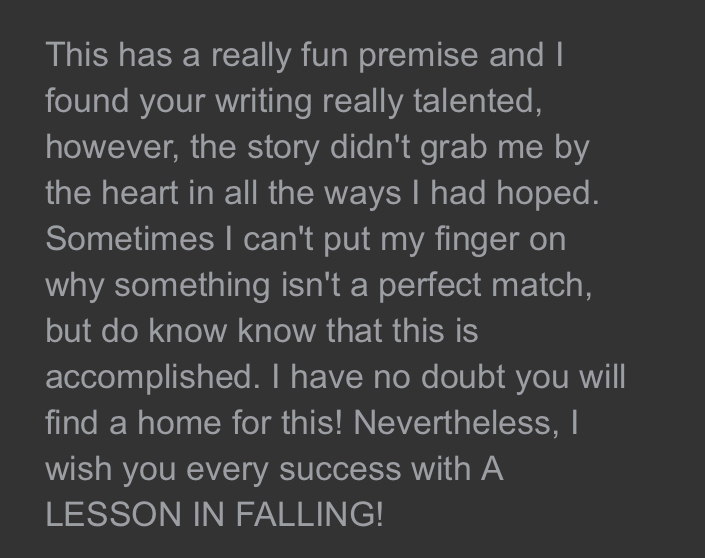
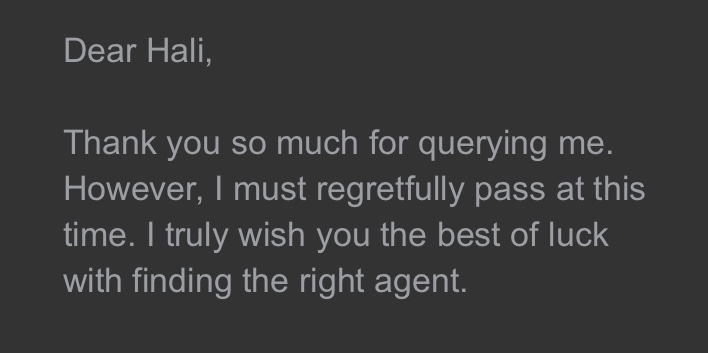



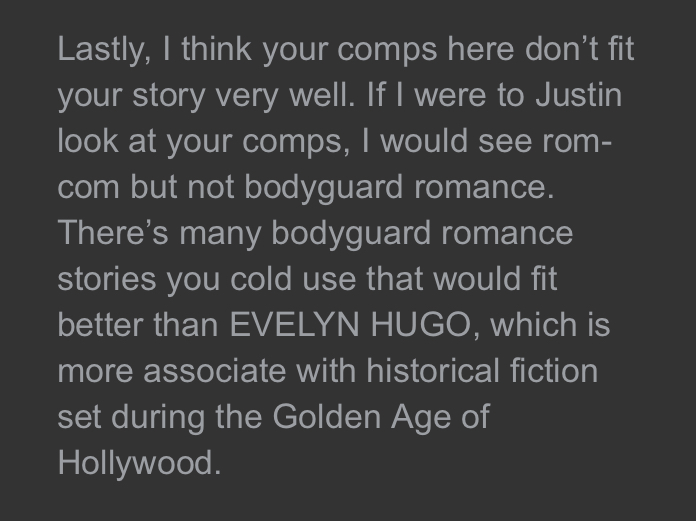

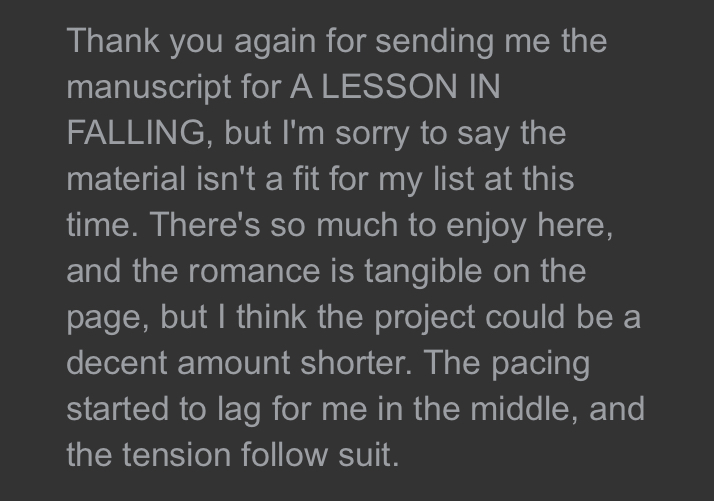
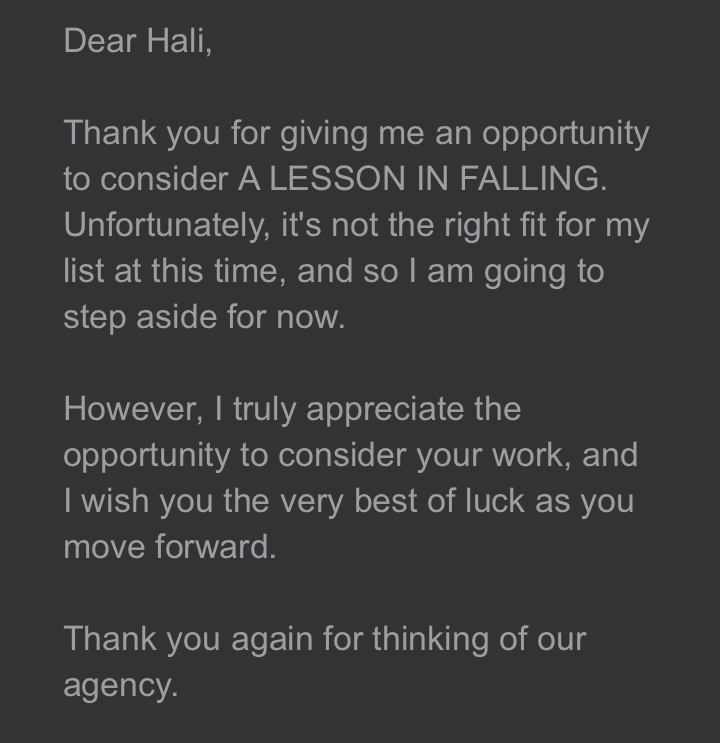
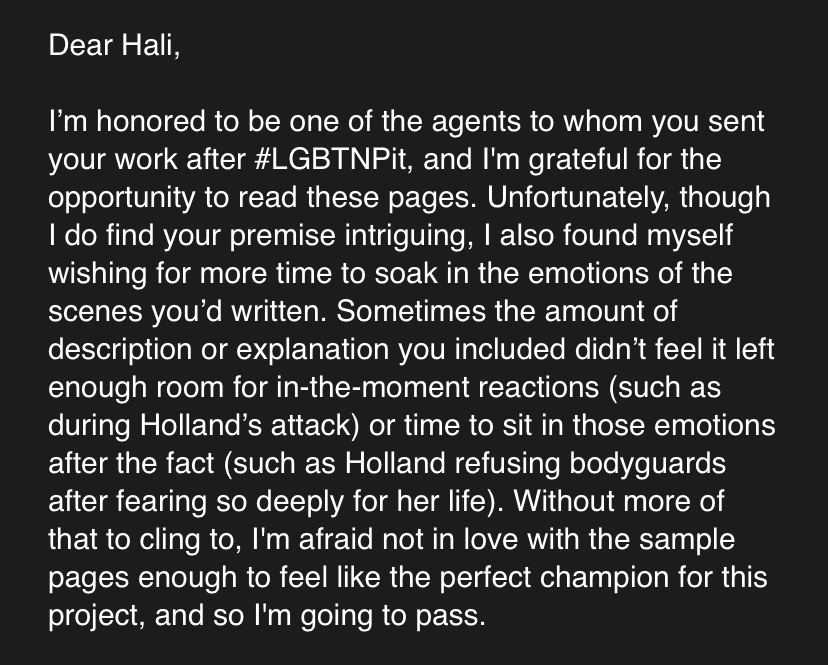
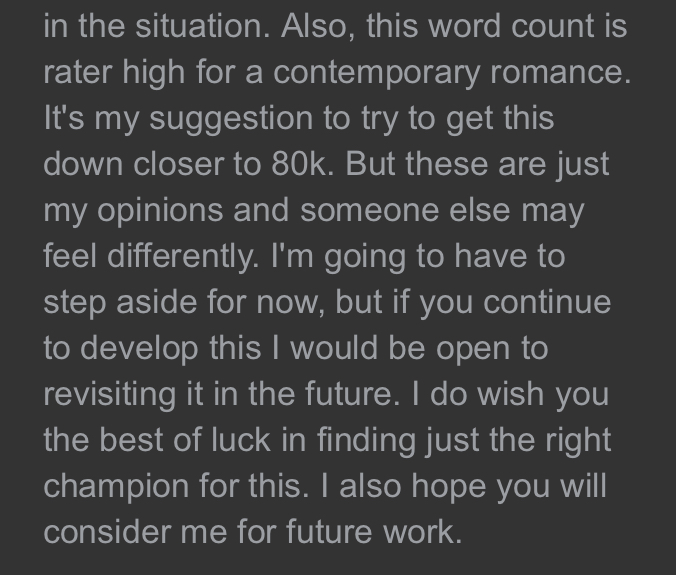


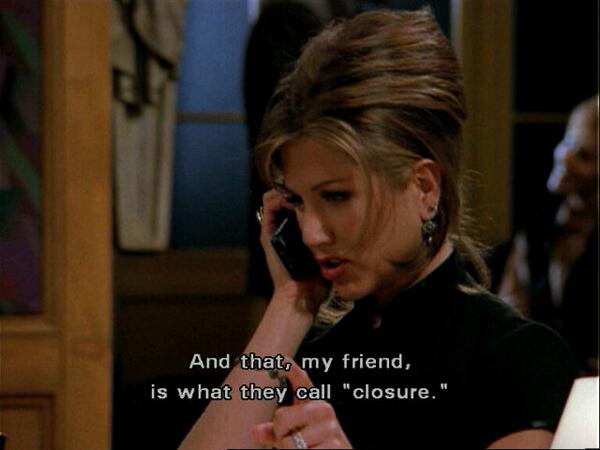
















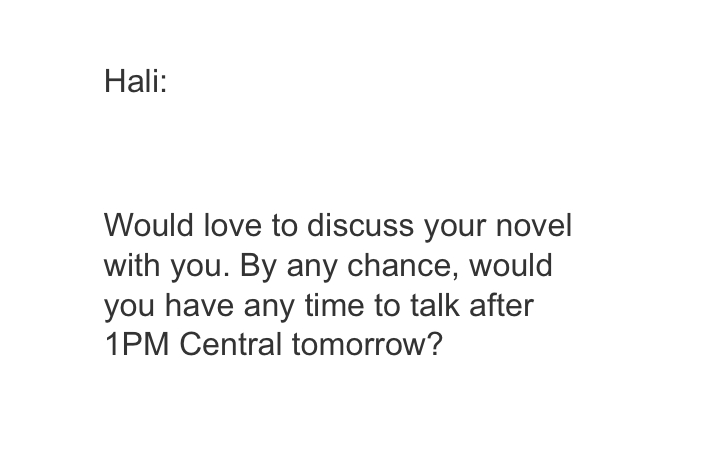




 Hali Hyland - Adult Romance Author